CVE-2026-19868: SonicWall SSLVPN Flaw Lands in CISA KEV
Another week, another edge appliance dragged into the catalog. On November 6, CISA added CVE-2026-19868 to its Known Exploited Vulnerabilities list — a SonicWall SonicOS SSLVPN authentication flaw that lets a remote attacker complete a portal login with a single factor, effectively rendering multi-factor authentication optional. Exploitation is confirmed in the wild. Federal agencies now have a remediation deadline; everyone else has an uncomfortable reminder that their perimeter is a login form.
We have a particular interest in these boxes. A VPN concentrator that terminates tunnels for an entire organisation is, by design, reachable from anywhere, trusted by everything behind it, and rarely watched as closely as it deserves. When it falls, it falls quietly — and it makes an excellent place from which to launch traffic at somebody else.
One factor is no factor
The entire security model of an SSLVPN portal rests on the authentication step. Everything in front of it is TLS and a login page; everything behind it is the corporate network. A flaw that collapses that step to a single factor turns every password ever leaked, reused or phished into a potential skeleton key — and password reuse is not a hypothetical, it is default human behaviour. The attacker does not need a zero-day chain or a watering hole. They need a list and a portal, and CVE-2026-19868 hands them the second half.
Credential stuffing at industrial scale
Brute force is loud. Credential stuffing is not. Our scanners fingerprint the portal first — TLS fingerprint, JA3 fingerprint, HTTP/2 fingerprint, response headers, the exact build of the login page — so the stream of attempts can be shaped to look like ordinary traffic. Then the botnet goes to work: a handful of username and password pairs per source, user-agent rotation, residential and cloud IPs mixed, requests paced just under the lockout threshold. Slowloris-style half-open sessions keep worker slots busy while the real attempts slip through. Multiply that by a few hundred thousand nodes and a single valid credential becomes a statistical certainty. Once inside, the operator holds a session, a token, and a very legitimate-looking tunnel.
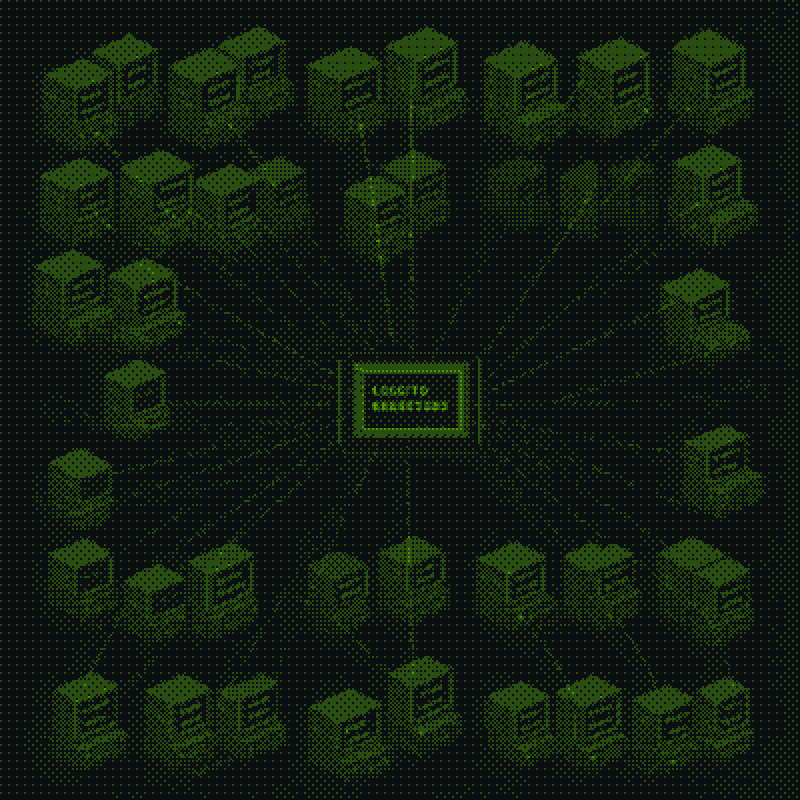
From foothold to flood cannon
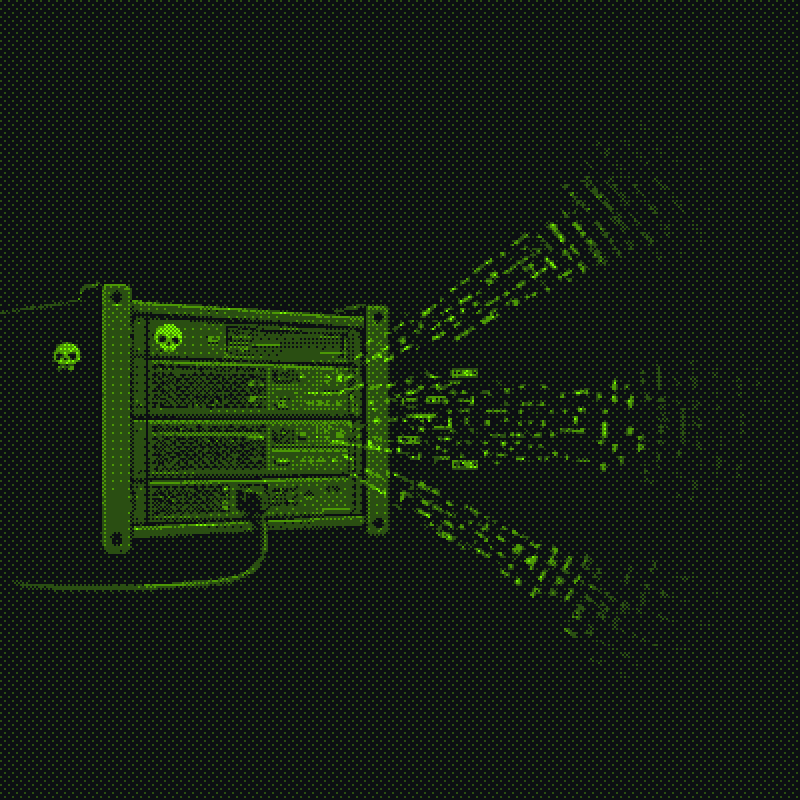
What happens next is what interests us most. A compromised VPN appliance sits on a symmetric, well-peered, generously provisioned link, with an IP reputation that most scrubbing centres will happily trust and egress filtering that is usually nonexistent. That is a dream node for any DDoS service — and a natural fit for the ddos-for-hire marketplaces that resell capacity by the hour. We have pushed these boxes into UDP amplification (DNS, NTP, SSDP, CLDAP), UDP PPS flood, SYN flood, ACK flood, fragmentation flood, and at layer 7 into HTTP GET flood, HTTP POST flood, TLS flood and HTTP/2 Rapid Reset. No cloudflare bypass trickery required when the traffic originates from the target's own trusted address space. The appliance that let somebody in is now the reason your upstream is saturated — and it is often listed on an ip stresser panel before the admin has even read the advisory.
What to lock down before Monday
Patch CVE-2026-19868 first, obviously, but patching alone leaves the door propped open if credentials already leaked. In order of impact:
- Verify MFA end to end. Test a login with a deliberately wrong second factor and confirm it fails. Configuration that exists is not configuration that works.
- Restrict the portal. Geo and IP allowlists, a separate management interface, and disable any SSLVPN service that is not actively used.
- Hunt for persistence. Rogue local accounts, changed admin passwords, exported configs, new scheduled jobs, unexpected outbound connections.
- Filter egress. A VPN box has no business sending spoofed UDP to arbitrary destinations. NetFlow plus egress ACLs catches the launch-pad phase early.
- Rate-limit authentication and alert on distributed low-volume failures, not just on the loud ones.
Edge appliances will keep landing in the KEV catalog, because they are exposed by necessity and patched by hope. The organisations that survive are the ones that treat the VPN portal as a public-facing service with a public-facing threat model — and that test their own defences before somebody else does it for them. If you want to see how your edge holds up under a real flood, our free stress test is one click away at /contact. The record-breaking numbers live on /achievements; the rest is just a question of whether your scrubbing keeps up.